
Department of Health and Social Care
Runs the NHS and social care, which between them touch every voter, swallow the largest single departmental budget, and never quite have enough beds.
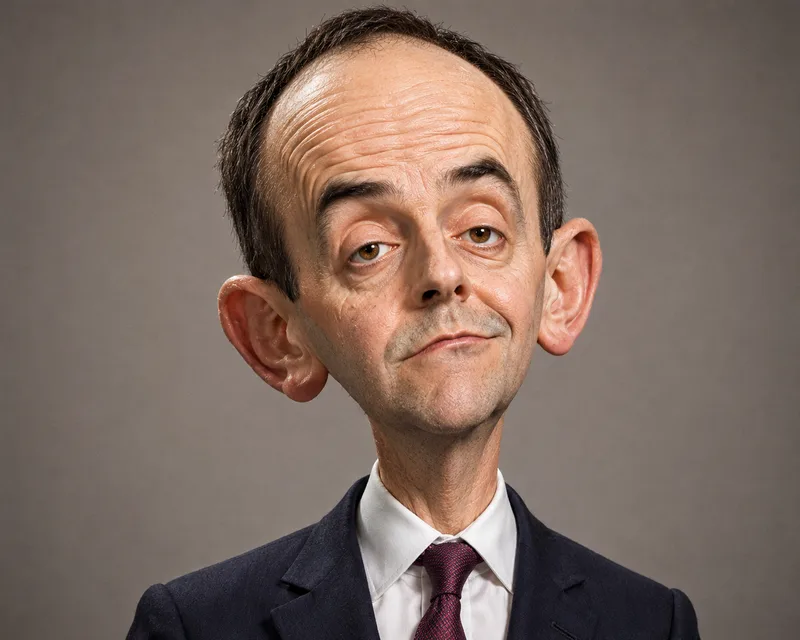

The Department of Health and Social Care oversees the largest and most expensive public service in Britain. Its total budget for 2024/25 was £204.7 billion. The NHS employs around 1.5 million people in England, making it one of the largest employers in the world. Health spending now consumes approximately 7.5 percent of GDP. No other department comes close. Politicians of every party promise to protect the NHS, reform it and invest in it. The question facing Britain is not whether the money is going in. It is why the results coming out do not match.
The waiting list for elective care stood at 7.4 million as of July 2025. That is down from 7.6 million in July 2024, but up from 4.5 million in July 2019 before the pandemic. At the start of the current parliament, only 58.9 percent of patients were seen within the 18 week constitutional standard. The government's target is 92 percent by March 2029. The NHS spent £8.3 billion on temporary staffing in 2024/25, down from nearly £10 billion the previous year. The maintenance backlog across the NHS estate stands at £14 billion. Staffing has increased 26 percent since the pandemic, but the number of hospital beds has grown by just 4 percent. The number of fully qualified GPs has actually fallen by 1 percent while hospital consultants grew 23 percent. The system has more people working in it than ever. It does not have the physical capacity to match.
The department has been through constant reorganisation. Andrew Lansley's Health and Social Care Act 2012 abolished Primary Care Trusts and Strategic Health Authorities, created Clinical Commissioning Groups and established NHS England as an arm's length body. That was the most disruptive NHS reorganisation in a generation. Thirteen years later, the current government is abolishing NHS England entirely, merging its functions back into the department and slashing the number of Integrated Care Boards. The estimated redundancy cost is £860 million over two years. One government creates a structure. The next government dismantles it. The patients in between experience the turbulence.
Eight Health Secretaries have served since 2010: Andrew Lansley, Jeremy Hunt (the longest serving in modern history at six years), Matt Hancock (resigned during Covid after breaking his own social distancing rules), Sajid Javid, Steve Barclay, Thérèse Coffey, Victoria Atkins and Wes Streeting. That matches the Home Office for instability at the top, exceeded only by DCMS, yet the policy direction has lurched from Lansley's market reforms to Hunt's centralisation to Hancock's crisis management to Streeting's plan for community based care. Each Secretary of State arrives with a plan. The plan rarely survives its author's tenure.
The greatest unresolved failure sits outside hospitals altogether. Social care has been promised reform for a quarter of a century. The Royal Commission on Long Term Care reported in 1999. The Dilnot Commission proposed a funding cap in 2011. The Care Act 2014 passed but key funding provisions were never implemented. Theresa May's "dementia tax" manifesto proposal collapsed in 2017. Boris Johnson announced an £86,000 cap on individual care costs in 2021, funded by a National Insurance rise, then delayed and eventually scrapped the cap. Labour has established the Casey Commission to try again. Nearly 860,000 people receive publicly funded long term care. The sector employs over 1.5 million staff. Access is heavily means tested. Families face uncertainty. Hospitals struggle to discharge patients who have nowhere appropriate to go. The consequences spread through the entire system. Everyone knows the problem. Nobody has fixed it.
Workforce planning stands out as one of the department's most persistent failures. Shortages of doctors, nurses and specialists have become permanent. The public health grant has been cut by over 25 percent in real terms per person since 2015/16. Life expectancy improvements have stalled. Health inequalities are widening. Record numbers of people are out of the labour market due to poor health. The number of people in England living with major illness is projected to grow to 9.3 million by 2040. Public satisfaction with the NHS is at an all time low.
The NHS spent over £80 billion on Covid related expenditure in England alone. That was necessary. What followed was less defensible. The 10 Year Health Plan published in July 2025 runs to over 170 pages. Nobody yet knows what it will cost. Capital budgets are flat in real terms through to 2029/30 despite a £14 billion maintenance backlog. The public health grant continues to shrink. The UK invests less in health capital as a percentage of GDP than comparable countries. The department treats the symptoms of underinvestment with announcements of future investment that often arrives late, reduced or redirected.
The Department of Health and Social Care can point to genuine successes. Medical treatments are more advanced than ever. Cancer survival rates have improved significantly. The Covid vaccination programme saved hundreds of thousands of lives. The NHS continues to provide universal care regardless of income. These are real achievements.
What increasingly concerns the public is the gap between spending and experience. Britain devotes £204.7 billion a year to health and social care, yet 7.4 million people wait for treatment, GP numbers are falling, the maintenance backlog is £14 billion, the social care system remains unreformed after 25 years of promises, and public satisfaction has hit the floor. The department's greatest achievement is preserving a universal health service. Its greatest failure is that after decades of warnings, reforms and rising budgets, it still cannot build a system capable of meeting predictable demand. The population is ageing. The workforce is shrinking in the areas that matter most. The buildings are crumbling. Everyone can see what is coming. The department's record suggests it will arrive before the plan to meet it does.
Department Staff
Senior Civil Service
The politicians change. These people often stay for years.
Budget · 2025/26
NHS England, plus the part of the budget that funds NHS Scotland, NHS Wales and Health and Social Care Northern Ireland through Barnett consequentials, plus public health, the NHS workforce, prescription drugs, mental health services and the medicines regulator. The figure rose by £10.9 billion between the Main and Supplementary Estimates as Labour's first full year settled the NHS England spending pressure. The largest single department by DEL and the most politically exposed.
Agencies & Arm's Length Bodies (13)
- Administration of Radioactive Substances Advisory Committee (ARSAC)
ARSAC advises the licensing authorities on applications from practitioners, employers and researchers who want to use radioactive substances on people. ARSAC works with the Department of Health and Social Care .
- Advisory Committee on Clinical Impact Awards (ACCIA)
The Advisory Committee on Clinical Impact Awards (ACCIA) advises health ministers on the presentation of clinical impact awards to consultants working in the NHS.
- Commission on Human Medicines (CHM)
The Commission on Human Medicines (CHM) advises ministers on the safety, efficacy and quality of medicinal products. CHM is an advisory non departmental public body, sponsored by the Department of Health and Social Care…
- Committee on Mutagenicity of Chemicals in Food, Consumer Products and the Environment (COM)
The Committee on Mutagenicity of Chemicals in Food, Consumer Products and the Environment (COM) assesses and advises on mutagenic risks to humans.
- Independent Reconfiguration Panel (IRP)
The IRP is a committee of experts who provide impartial specialist advice about proposals to change NHS services in England to support ministerial decisions.
- Medicines and Healthcare products Regulatory Agency (MHRA)
The Medicines and Healthcare products Regulatory Agency regulates medicines, medical devices and blood components for transfusion in the UK.
- National Data Guardian (NDG)
The National Data Guardian advises on the use of confidential health and care data, supporting its safe, ethical, and trustworthy use for individual care and public benefit.
- NHS Pay Review Body (NHSPRB)
The NHS Pay Review Body (NHSPRB) advises on the pay of NHS staff. NHSPRB is an advisory non departmental public body, sponsored by the Department of Health and Social Care .
- Office for Health Improvement and Disparities (OHID)
We focus on improving the nation’s health so that everyone can expect to live more of life in good health, and on levelling up health disparities to break the link between background and prospects for a healthy life.
- Office for Life Sciences (OLS)
The Office for Life Sciences champions research, innovation and the use of technology to transform health and care service.
- Review Body on Doctors' and Dentists' Remuneration (DDRB)
The Review Body on Doctors’ and Dentists’ Remuneration (DDRB) advises government on rates of pay for doctors and dentists.
- UK Health Security Agency (UKHSA)
The UK Health Security Agency (UKHSA) exists to protect people from health threats. We prevent and reduce the harm caused by infectious diseases, chemicals, radiation, the health effects of climate change and a range of…
- UK National Screening Committee (UK NSC)
The UK National Screening Committee (UK NSC) advises ministers and the NHS in the 4 UK countries about all aspects of screening and supports implementation of screening programmes.